
Living Beyond the Thoughts: Lauren's Personal Journey with OCD and Recovery
By Lauren Pressler, LMFT
Part of our Community Voices of Hope series—a space dedicated to sharing authentic stories, lived experiences, and messages of resilience from our community.
It was 3:00 AM and my husband and my son were both asleep, but I was wide awake. I quietly got out of bed and walked into my son’s room to check if he was breathing. I placed my hand on his chest because seeing him asleep wasn't enough—I needed to physically feel his chest rise and fall. I had to know he was breathing.
I would do this repeatedly throughout the night.
At the time, I didn't understand what was happening to me. I didn't know that the overwhelming fear that something terrible was going to happen to my son, the constant checking, and the need for reassurance could all be part of OCD.

Today, I am a licensed marriage and family therapist, but my understanding of OCD didn't begin in a classroom or through clinical training. It began with my own experience.
I don't think I ever truly knew what OCD was until I experienced it myself. I was diagnosed with anxiety and depression when I was 16 years old, and looking back now, I believe I had been experiencing OCD for much of my life. At the time, though, I didn't have the language to understand what was happening in my mind.
My OCD has primarily shown up through mental compulsions. I have struggled with feeling like I can't stop thinking, analyzing, or worrying that something bad is going to happen. For a long time, I thought this was simply anxiety.

It wasn't until after I had my son, almost four years ago, that I began to recognize something more was happening.
I was a very anxious mother, but underneath that anxiety was also a deep feeling that I was inadequate. I had intrusive thoughts that my family would be better off without me. I thought I was a terrible mother. I felt like I was failing. There were times when I didn't want to be here anymore.
I didn't understand why I was having these thoughts, and I was afraid of what they might mean about me. It didn't just feel like anxiety. It felt like something more.
That's when I started researching OCD.
And researching.
And researching.

Before this experience, when I thought about OCD, I pictured compulsive hand washing, cleaning, or other obvious physical behaviors. I didn't understand that OCD could primarily exist inside my mind.
My compulsions also weren't always visible to other people. I ruminated. I avoided things that triggered my fears. I sought reassurance from people around me. I sought reassurance from Google. I analyzed my thoughts over and over, trying to figure out what they meant and whether I could somehow make myself certain that nothing bad would happen.
The more I tried to get rid of the thoughts and make myself feel certain, the more consumed I became by them. Eventually, OCD began significantly affecting my functioning and my relationships. I was spending so much time inside my own head that I wasn't fully present for my life.
That's when I decided to start therapy specifically to treat my OCD. Through my own therapy, I was introduced to Exposure and Response Prevention (ERP).

Honestly, the idea of ERP sounded terrifying. The thought of intentionally facing the things I was afraid of while resisting the compulsions I had relied on to make myself feel better felt incredibly difficult. However, I also realized something important: OCD was already taking so much from my life.
I consistently participated in ERP therapy each week. I completed exposures on my own between sessions, even when they were uncomfortable. Slowly, I began to notice something changing. I became less afraid of sitting with my thoughts. The anxiety was still there, but I was better able to manage it instead of allowing it to take over my life.
And that distinction changed everything. Recovery didn't mean that I stopped having intrusive thoughts. It didn't mean that I never felt anxious again. Instead, I began learning that I could experience uncomfortable thoughts and feelings without having to react to them with compulsions.
I began enjoying my life again. I started working again. I started exercising again. I was able to prioritize my relationship with my husband and my son. Most importantly, I felt more present with my family. I wasn't constantly distracted by what was happening inside my head.

After completing my own ERP treatment, I decided to become trained in ERP myself so that I could help my clients who were struggling with OCD. I have now been incorporating ERP into my therapy practice for the past three years, and I have had the privilege of seeing many of my clients make meaningful progress.
ERP does work, but I also want to be honest about something: ERP is hard. It can be uncomfortable, challenging, and sometimes terrifying. Learning to respond differently to OCD takes practice, patience, and support.
Having a therapist who specializes in OCD can be extremely beneficial. OCD is treated differently from many other anxiety-related concerns, and understanding the OCD cycle—including obsessions, compulsions, avoidance, and reassurance seeking—is an important part of effective treatment.
My own experience has also changed the way I understand my clients. I know what it feels like to be afraid of your own thoughts. I know what it feels like to spend hours analyzing something that other people may not even realize is happening.
I know what it feels like to seek reassurance because you desperately want to feel certain, and I know what it feels like to wonder if things will ever get better.
Today, I don't consider myself "cured" of OCD, and my OCD hasn't disappeared. OCD recovery is ongoing, and what has shifted is that I have learned tools to better manage my OCD so that it doesn't take over my life.
That, to me, is recovery. Recovery isn't necessarily the absence of intrusive thoughts or anxiety. It's being able to live your life without allowing OCD to dictate what you do, where you go, what you think, or how you respond to uncertainty.
If you are reading this and recognizing yourself in my story, I want you to know that you are not alone. You don't have to struggle alone. If you believe you may be experiencing OCD, I encourage you to seek a thorough assessment from a mental health professional who specializes in OCD. Getting the right assessment and understanding what you're experiencing can be an incredibly important first step.
My hope is that you take away one thing from my story:
You are not alone. You don't have to struggle alone. And recovery is possible.
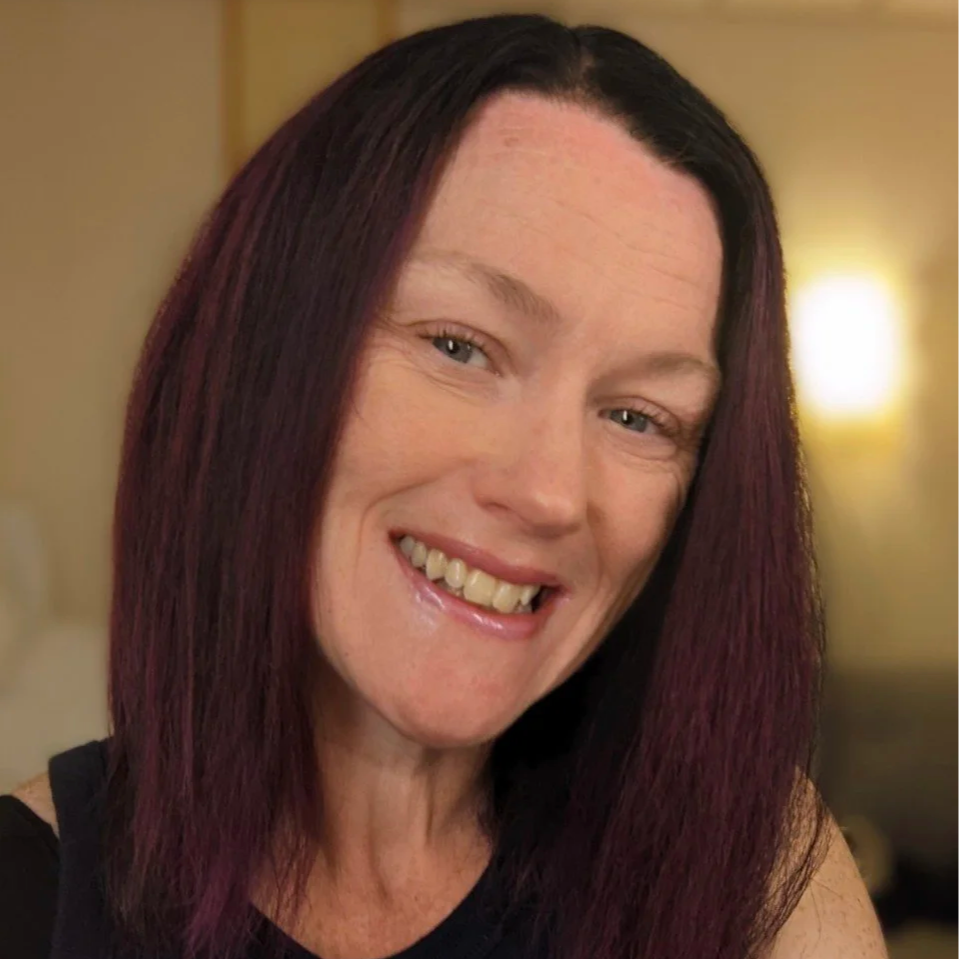
Lauren Pressler, LMFT